There are relegations that happen on the pitch. Missed chances, bad signings, a manager who never finds the shape.
And then there are relegations that start somewhere else entirely. In the routine. In the habits. In the bit of ‘football culture’ people laugh about until the league table starts to look like a crime scene.
Grimsby Town’s 2009–10 season is usually filed away as the one where they dropped out of the League. A sad historic footnote. A club with a proper Football League identity being shoved into non-league as if it somehow belonged there.
But years later, when former players started speaking freely on podcasts, the story that emerged was not simply ‘we were rubbish’. It was about a dressing room where drinking stopped being a release valve and started feeling like part of the weekly schedule. It was about senior professionals switching off, a manager who—by one player’s telling—was not exactly miles away from the social side of it, and a replacement who inherited a dressing room he could not control.
Then Paul Linwood told the story candidly, named names and made it sound like a mad lads’ summer. When supporters reacted like people do when you joke about their trauma, he did not apologise. He doubled down. If you are writing the history of how football clubs collapse, this is the chapter where the pint glass matters as much as the tactics board.
A club with history, not a punchline
Grimsby are not some tiny curiosity on the Humber. They are one of those old Football League names stitched into the fabric of English football: the most successful club from Lincolnshire, a former top-flight team and two-time FA Cup semi-finalists.
Blundell Park is battered, traditional and proper. For decades, the Mariners lived where hundreds of clubs dream of living: in the League, with identity and expectation.
That matters, because 2009–10 was not simply a bad season. It was the first time in the club’s long existence that they had dropped out of the Football League. By the summer of 2009, Grimsby were already unstable: ownership disputes, financial pressure and a squad patched together rather than built. The previous season had been a scramble for survival rather than progress.
Mike Newell arrives
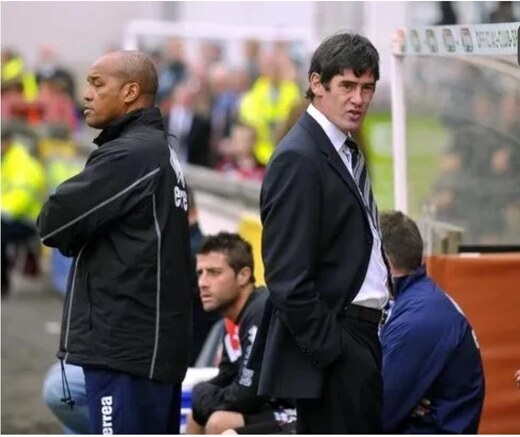
Mike Newell was not hired as a gamble. He arrived with credibility. As a player, he had won the Premier League with Blackburn Rovers in 1995. As a manager, he led Hartlepool United to promotion in 2003 and delivered a League One title at Luton Town before a strong Championship finish.
At Grimsby, though, his time has since been described less as Newell the hardliner and more as a manager trying to carry the place with momentum, personality and togetherness. Hired in late 2008, supporters hoped for a title push. What they got was survival by the skin of their teeth.
The problem with looseness becomes obvious when results wobble. Linwood’s account, told on I Had Trials Once…, is that Newell was not merely aware of drinking sessions but part of the orbit around them. He claimed Newell sometimes joined in, rang players midweek asking where they were and operated more like the leader of a group than the manager policing it. Once a manager is seen as one of the lads, it becomes almost impossible to suddenly become the disciplinarian.
The cast that walked in the door
This was not a bunch of kids. Linwood arrived from Chester City with a reputation as a solid lower-league defender and had been a standout there, even winning club awards.
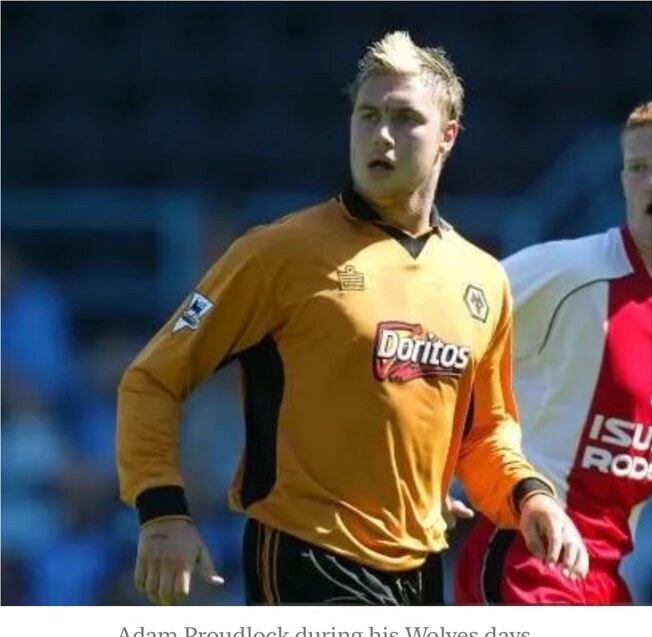
Adam Proudlock had once been billed as serious talent at Wolverhampton Wanderers, with spells at Ipswich Town, Nottingham Forest and Sheffield Wednesday. Peter Sweeney had been part of Millwall’s FA Cup final side and played Championship football for Leeds United and Stoke City. Barry Conlon had been a prolific Football League forward, with clubs including Manchester City, Darlington and Barnsley on his CV.
So when those names later appear in stories about drinking culture, it lands differently. These were adult professionals with serious experience, normalising behaviour that looks reckless in hindsight.
The loan spell that set the tone
Sweeney’s version of Grimsby starts like a sitcom and ends like a warning. On Undr The Cosh, he described joining on loan and being picked up by fellow new signing Barry Conlon, McDonald’s in hand. The point is not the takeaway itself; it is what it signals: casual standards, casual routines and a feeling that football fitted in between everything else.
Sweeney said he initially thought Conlon was his chauffeur and was stunned when Conlon later walked into the changing room, admitting he had forgotten his boots. Then there was the Leeds session story: a drinking session, an exotic fish tank and Conlon biting the head off a fish. On paper it sounds like pub myth. In a dressing-room context, it reads as chaos being tolerated.
Sweeney’s wider podcast appearances have been honest about drink and headspace: turning up to training in a state and drinking creeping in when confidence and structure collapse. Put alongside Linwood’s account, the stories rhyme.
‘We used to go in our kits’
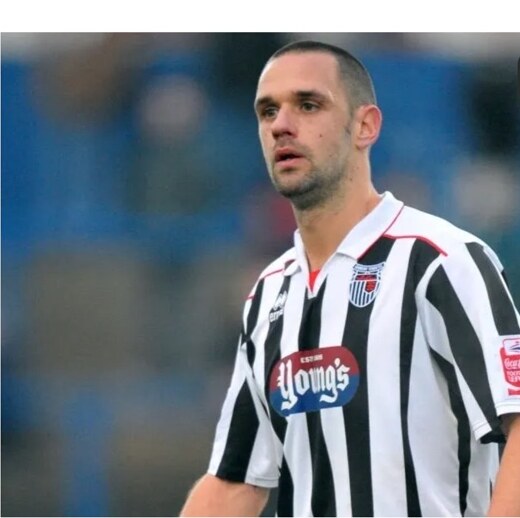
Linwood’s Grimsby story is damning because of how ordinary it sounds. He described finishing training and heading straight into sessions, with players piling into a particular pub because they thought they could get away with it—sometimes still in training gear as if it were normal.
He painted Proudlock as a trigger point: the player sending the message saying he was having one pint, and suddenly half the squad was there. One pint became a session.
Linwood talked about a Monday session running into the early hours, followed by training a couple of hours later. He described being picked up by Proudlock and Sweeney, drinking cans in the car on the way to training. The tone was flippant. The reality was grim. The cultural core was not that players drank; it was that training had stopped being non-negotiable.
Writing from a supporter’s perspective, Cod Almighty captured the bitterness. Supporters felt their club was dying while members of the squad laughed it off. Linwood admitted it got out of hand, but offered little genuine reflection and claimed Newell would ring to ask where the players were before joining them.
A chair, a tie and a goodbye
Newell’s tenure ended in October 2009, with Grimsby anchored near the bottom of the table. Officially, it was a parting of ways.
The folklore is messier. Cod Almighty retells the infamous version involving a boardroom row, a smashed chair and a humiliating moment in which Newell’s tie was allegedly grabbed during an argument with chairman John Fenty.
Whatever the truth inside the room, the outcome is clear. Newell was sacked on 18 October 2009, and youth-team boss and popular former Grimsby striker Neil Woods took over for the rest of the season.
Walking in a Woodsy wonderland
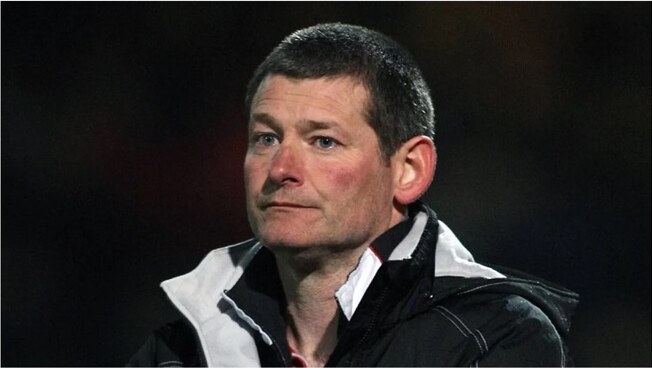
Woods was not a random outsider. He was a former Grimsby player, a club man and had been working effectively with the youth setup. But being a club man does not automatically give you authority over senior professionals who have already decided the rules do not apply.
Linwood’s version is that Woods hated the drinking culture and tried to clamp down. The older players, according to him, rebelled. In that telling, Woods was trying to stop the party after the house had already been trashed.
The caretaker spell went badly. Woods was then given the job permanently, inherited Newell’s journeymen, oversaw a long winless run and offered supporters the late tease of survival before the final-day collapse at Burton. That day still sits there like a scar.
The chairman, the ‘disruptive influence’ and Conlon’s shadow
Within fan and media retellings, Conlon became a symbol of the chaos—not simply a striker who liked a drink, but a destabilising presence. What is often forgotten is that his goals the previous season had helped keep the club up. That makes the narrative more uncomfortable, not less.
The McDonald’s pick-up. The fish-tank incident. The sense that standards were optional. Whether that is fair to him as a person is debatable. As a narrative, it is unavoidable.
Linwood versus the fans
If the drinking culture helped relegate the club, the podcast culture ensured the pain never healed. Grimsby would not recover and earn promotion for another six years: six years of play-off defeats, a Wembley penalty shootout and near misses that many supporters trace back to this season.
Linwood’s I Had Trials Once… appearance in 2019 travelled fast. The details were too wild, too specific and too close to the bone to ignore. From his perspective, he was being honest and getting hammered for it. From a supporter’s perspective, he was reopening the wound and doing it with a grin.
When the backlash escalated, Linwood refused to apologise and told abusive supporters to f*** off. That is why the story remains radioactive: supporters did not accept their relegation being treated as a funny tour story when they were the people who lived with the consequences.
What happened to everyone involved?
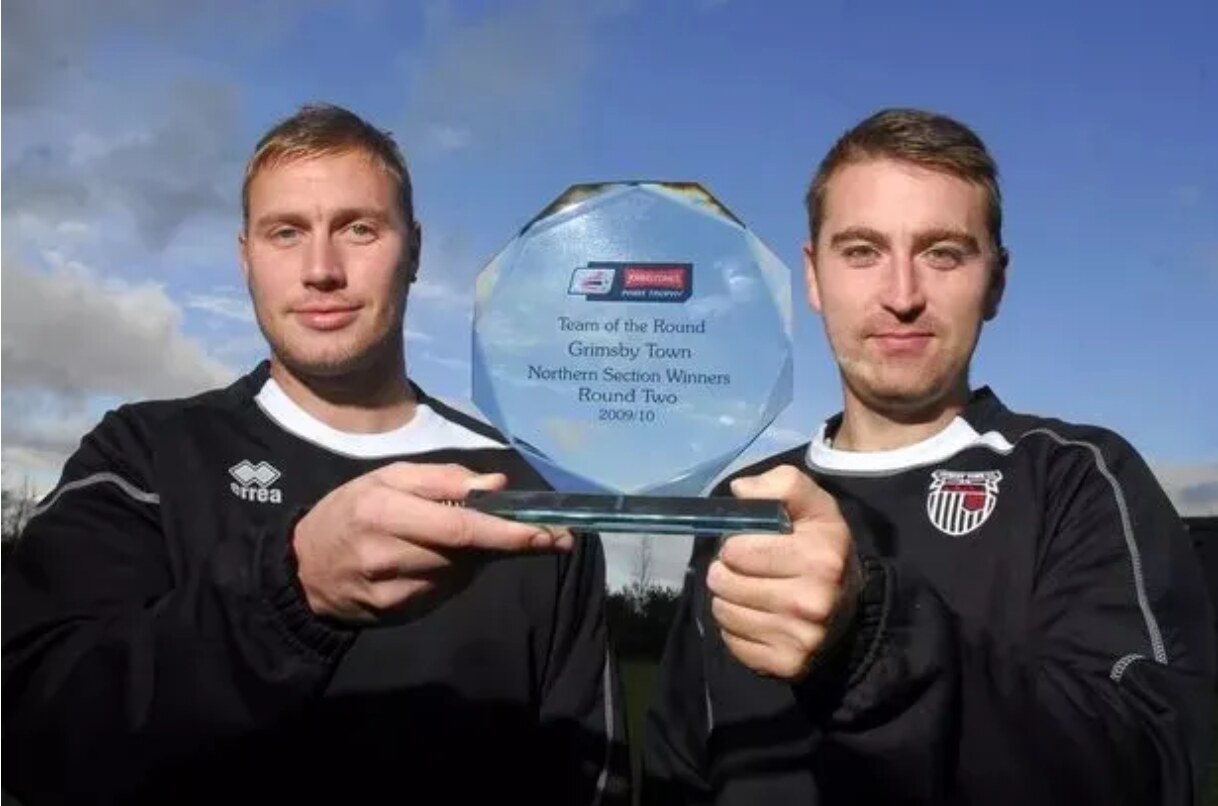
Paul Linwood was released in the summer of 2010 and never played in the Football League again. Fleetwood Town and Salford City appear on his CV during their non-league years. He retired in 2018 with Trafford FC.
Mike Newell never managed another club and did not join another team for seven years. He later held backroom and coaching roles at clubs including Al-Shabab, Wrexham and Waterford.
Peter Sweeney was released in May 2010. He played professionally for Bury and AFC Wimbledon, retired in 2017 with Greenwich Borough and briefly managed non-league Glebe in 2019.
Barry Conlon was loaned out by Woods and later joined Chesterfield permanently before the end of the season. He finished his English career at Stockport County, later played in Belgium and Ireland, retired in 2013 and now lives in New York, where he coaches youth football.
Adam Proudlock was released in June 2010 at the age of 29 and never played professionally again. He moved around non-league football with Telford, Market Drayton and Whitehawk, and later managed Eccleshall in 2020.
Neil Woods was sacked in February 2011 with Grimsby outside the play-off places. He rejoined the club in 2016 in his former youth-team role and remains there today.
The Unfiltered Stand verdict
Football loves characters. Football loves proper lads. Football loves stories about players drinking because it makes the game feel human.
But the Grimsby 2009–10 story is not human. It is corrosive.
Because once drinking becomes the plan, professionalism becomes a costume. You can still pull the shirt on. You can still jog through drills. You can still tell yourself you are a footballer.
But the club stops being a club.
And eventually, the league table tells the truth.